Comprehensive Driving Lessons: Enroll in Our Expert-Led Driving Class Today!
Progressive driving lessons provide a structured approach to developing vehicle control skills. Enrolling in an expert-led class can greatly enhance a beginner's competence and assurance. The course is thoughtfully structured to cover both basic and advanced techniques, catering to various experience levels. Understanding what to expect in these classes can be incredibly valuable. There are several key components that contribute to effective learning and preparation for a driving test.
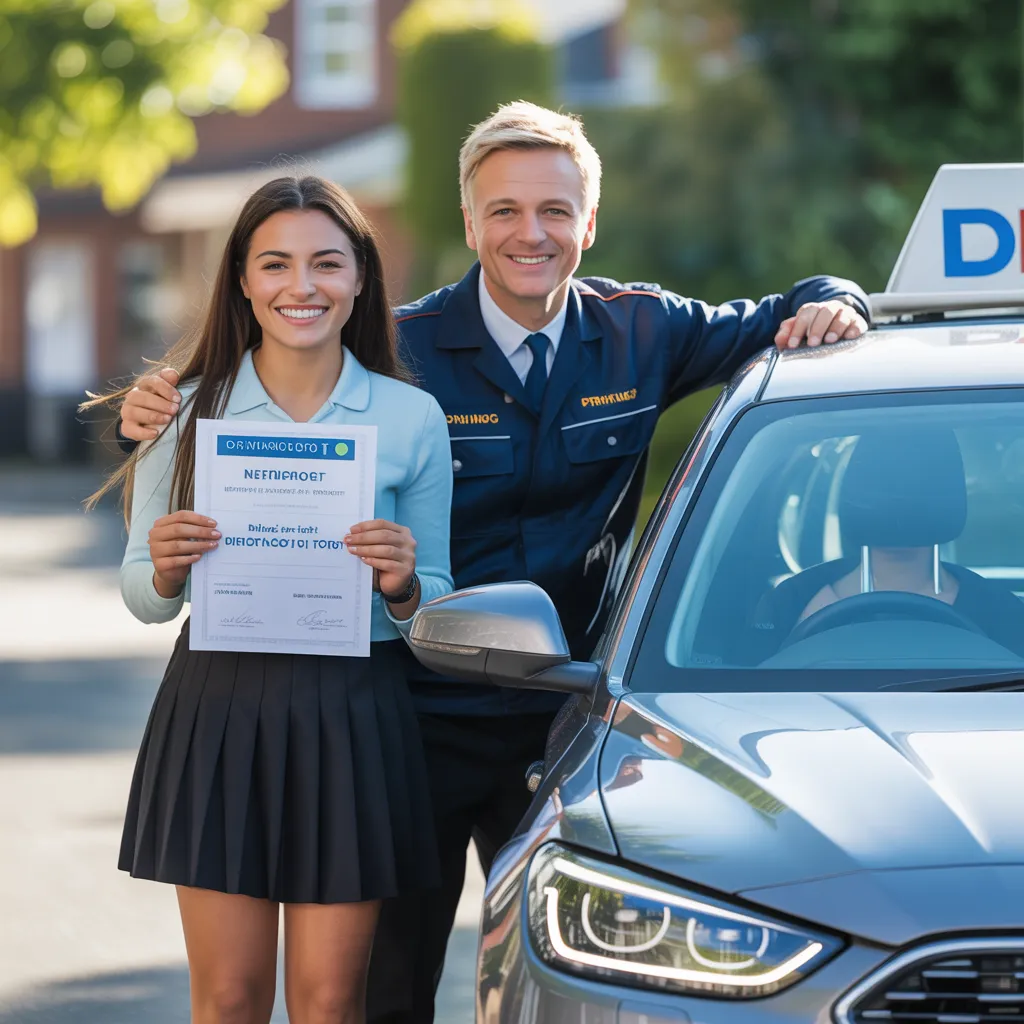
What Happens During Your First Driving Class
The moment a student begins their introductory driving course, they may feel a mix of enthusiasm and apprehension. The instructional space, usually shared with fellow students, creates the foundation for a meaningful experience. Teachers typically start with introductions, explaining the curriculum layout and safety procedures. Students can look forward to receiving instructional materials, including guides and reference sheets, which will function as valuable references throughout their course of study.
The primary emphasis is primarily on understanding the vehicle's controls, basic road signs, and essential traffic rules. Instructors frequently stress the value of maintaining a calm demeanor behind the wheel. Pupils are prompted to ask queries, fostering a supportive learning atmosphere. Once the theoretical component is complete, most sessions incorporate hands-on practice, where students become familiar with the vehicle in a controlled setting. This combination of theory and practice readies learners for the road ahead, instilling confidence as they begin their journey toward becoming competent and safety-conscious drivers.
Driving Program: Essentials to Advanced
A comprehensive driving curriculum encompasses a journey from fundamental abilities to higher-level skills, guaranteeing that learners establish a solid grounding before tackling more challenging driving scenarios. Initially, learners work on core car handling, including directional control, stopping techniques, and speed control. They learn key road regulations, road signs, and safe driving practices, providing a complete awareness of the rules of the road.
Once students show mastery of these core concepts, the curriculum advances to more intricate skills. This involves maneuvering across multiple terrain types, navigating harsh weather scenarios, and developing strong defensive driving skills. In addition, participants are exposed to highway driving and complex intersections, enhancing their ability to think swiftly when faced with difficult conditions.
Throughout the program, educators highlight the value of awareness of surroundings and safe driving practices. This organized methodology enables students not only to succeed in their driving examinations but also to emerge as capable and self-assured drivers in varied conditions.
Building Confidence as a New Driver
Novice drivers commonly struggle with developing their self-assurance while driving. The early stages of driving can feel daunting, as there are many responsibilities to handle and an ongoing demand for concentration. In order to ease nervousness, novice drivers may find value in a measured, step-by-step introduction to a range of driving conditions. Commencing practice in areas with minimal traffic gives them the opportunity to strengthen core competencies away from the stress of busier, more intricate road conditions.
Consistent practice is crucial; spending more time behind the wheel helps new drivers grow more at ease with their car and environment. Furthermore, signing up for instructor-led driving courses provides organized learning and expert direction, building a feeling of confidence. Positive reinforcement from instructors and supportive peers can also enhance a new driver's self-esteem. Over time, as skills improve, new drivers will find their confidence grows, transforming driving from a challenging task into a more enjoyable and liberating experience.
Steps to Prepare for Your Driving Exam
How can a new driver best prepare for their driving test? Proper preparation plays a vital role in achieving success. First, familiarizing oneself with the vehicle is important. New drivers should make certain they know how to operate all controls, including lights, wipers, and signals. Additionally, rehearsing techniques like parallel parking, three-point turns, and lane changes will improve their abilities.
In addition, studying the regional driving laws and guidelines can provide valuable insight into the examiner's expectations. Scheduling a mock test with an experienced instructor can mirror the real driving test environment, thereby lowering test anxiety.
Finally, ensuring all necessary documents are in order, such as the learner's license and ID, is crucial. By adhering to these guidelines, new drivers can approach their driving test with assurance, improving their chances of passing on the first attempt.
Frequently Asked Questions About Driving Lessons
What should prospective drivers know before starting lessons? Numerous people share similar questions about the driving lesson process. To begin with, Driving School many students inquire about the age requirements; the majority of regions require that students be a minimum of 16 years old to acquire a learner's permit. Another frequent inquiry concerns the duration of lessons; generally, each lesson runs approximately one to two hours, based on the student's abilities and requirements.
Future drivers often have questions about the expenses related to driving lessons. Rates may fluctuate considerably based on location and instructor experience. In addition, many question whether they must bring their own vehicle; most driver training schools furnish automobiles outfitted with dual controls for safe instruction.
Lastly, students commonly question the training program. Complete lessons usually cover core driving abilities, traffic regulations, and safety practices, ensuring that learners are well-prepared for both the driving assessment and practical driving experiences.
What Makes Professional Driving Lessons the Right Choice?
Why choose expert-led driving lessons over casual instruction? The answer lies in the quality and effectiveness of the training provided. Professional instructors have in-depth knowledge of driving methods, traffic regulations, and safety procedures, guaranteeing that students receive a complete and well-rounded education. They utilize a well-organized curriculum that develops abilities step by step, enabling learners to more effectively comprehend difficult driving concepts.
Additionally, expert-led lessons regularly integrate real-world scenarios, empowering drivers to deal with a range of road conditions with assurance. Instructors can deliver tailored guidance and adjustments, which are highly important for cultivating proper driving behaviors. Additionally, their experience empowers them to customize instruction to personal learning preferences, enhancing knowledge retention and ability development.
Furthermore, skilled instructors consistently keep abreast of the latest regulations and advancements in driving education, making sure their lessons incorporate modern best practices. This professionalism makes expert-led driving lessons a superior choice for people seeking to master safe and effective driving skills.

Questions Our Customers Often Ask
At What Age Can I Begin Taking Driving Lessons?
Generally, individuals can start taking driving lessons at the age of 16, while some locations allow learners to begin as early as 15. It is important to verify local requirements regarding minimum age requirements for driving instruction.
Do You Offer Driving Lessons on Weekends?
Weekend driving lessons are commonly offered, suiting a variety of scheduling needs. A large number of driving schools understand the popularity of weekend lessons, allowing students the flexibility to learn without conflicting with weekday commitments or responsibilities.
Is It Possible to Use My Own Vehicle for Driving Lessons?
Students can generally bring their personal vehicles for driving instruction, as long as the car satisfies safety standards and is functioning properly. Teachers commonly recommend this approach to provide familiarity and comfort throughout the lessons.
What Should I Do if I Miss a Class?
When a student is absent from a class, they could be required to make up the lesson or set a new time. Rules surrounding attendance are not uniform, so the student should reach out to their instructor to learn about potential penalties or available arrangements.
Do You Provide Tuition for Automatic and Manual Vehicles?
Yes, the course offers classes for both manual and automatic cars. Students can pick their ideal transmission type, ensuring they are provided with tailored instruction that suits their specific driving needs and preferences for training.